
Elk
Species guide · Large game
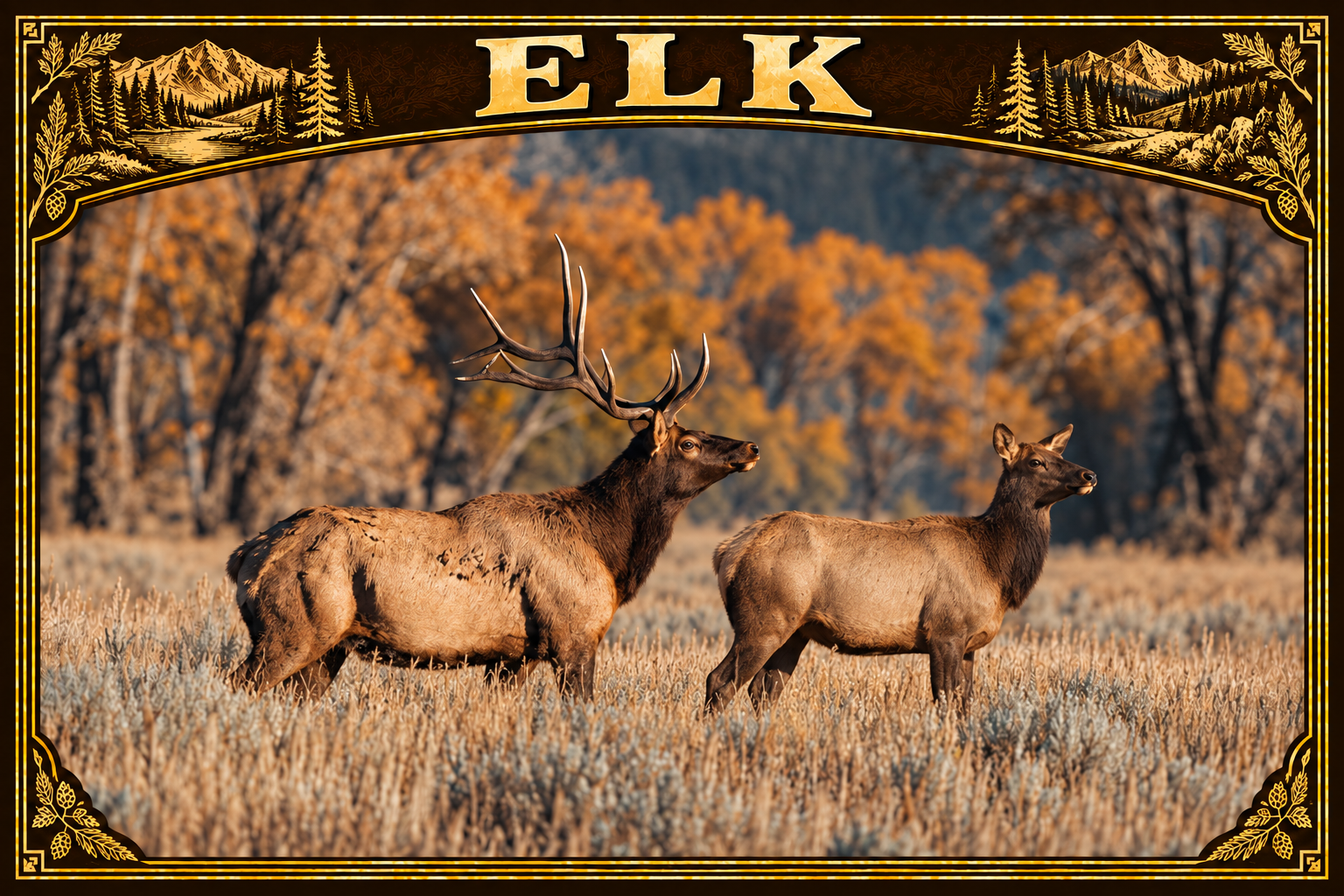
Know the animal and habitat
Elk use forests, burns, meadows and mountain or foothill country across parts of western North America. Herd movement, pressure, weather and seasonal needs can shift them considerably.
Identification comes first
Confirm species and the exact legal animal for the season. Antler or sex restrictions can be detailed, so know them before an encounter rather than trying to learn them through an optic under pressure.
How the habitat changes the hunt
Elk can create demanding stalks and large changes in elevation. Consider where a successful shot would place a very large recovery job before closing the distance.
Before the shot
Large body size does not make imprecise placement acceptable. Choose hunting ammunition with documented application appropriate to large game, prove it in your rifle and keep the shot inside your demonstrated field ability.
Recovery and use
An elk represents substantial edible meat and often multiple heavy trips. Cooling, help, pack capacity, daylight and distance to access belong in the pre-shot decision.
Continue learning
This site is free — brand partnerships coming soon.
Sources & Further Reading · General educational information only. Always follow current local hunting regulations and verify ammunition performance with the manufacturer.