
Weather & Clothing
Hunting clothing is a temperature and moisture-management system, not a fashion category. The useful kit keeps you functional while moving, waiting and dealing with conditions that are worse than the forecast.
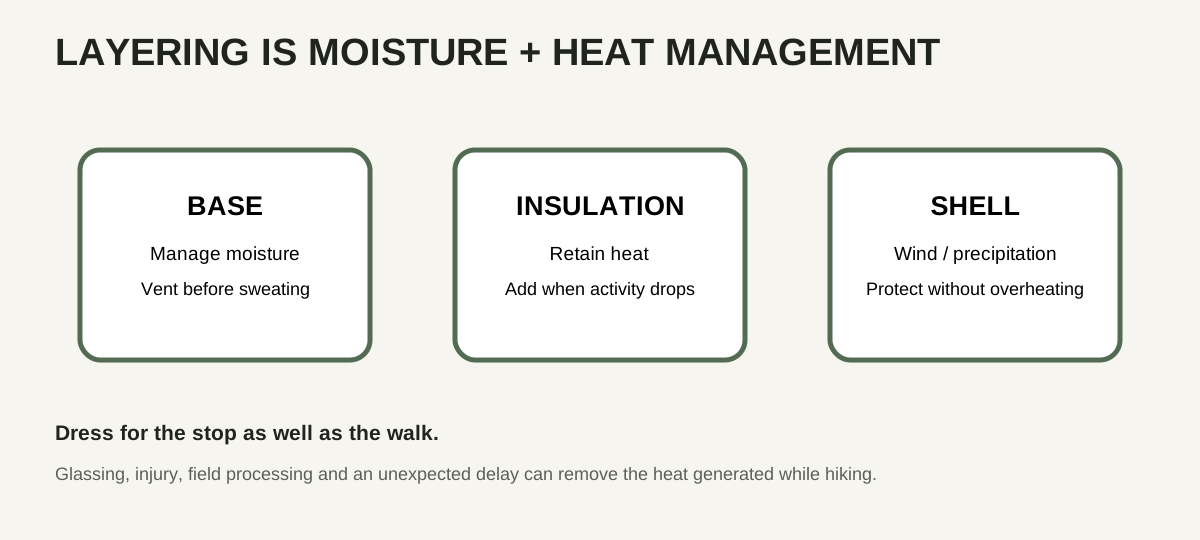
Dress in layers with jobs
A next-to-skin layer manages moisture, insulation retains heat and an outer layer manages wind or precipitation. Conditions may not require every layer at once.
Avoid getting wet from the inside
Overdressing while climbing can soak clothing with sweat and create a problem when you stop. Vent or remove layers before you become saturated.
Protect extremities
Hands, feet and head can limit function quickly. Choose footwear for terrain and moisture, carry appropriate gloves and keep critical spare layers dry.
Plan for stationary time
Glassing, waiting and processing an animal generate far less heat than hiking. Clothing that feels excessive while walking may be necessary when activity stops.
Weather forecasts are inputs, not guarantees
Mountain, coastal and northern conditions can change rapidly. Use current forecasts but carry enough margin for plausible deterioration.
Camouflage is secondary
Quiet movement, wind, visibility, comfort and safety often matter more than a particular pattern. Prioritize functional clothing before specialized appearance.
Test the system before depending on it
A hunt is a poor first test of boots, rain gear or a layering system. Learn where equipment rubs, leaks, overheats or restricts movement during ordinary outings.
This site is free — brand partnerships coming soon.
General educational information only. Always follow current local hunting regulations and verify ammunition performance with the manufacturer.