
Scouting, Tracks & Sign
Scouting is less about finding one perfect spot than learning how animals use a landscape. Sign becomes useful when you connect it to time, habitat, weather and pressure rather than merely noticing that an animal passed through.
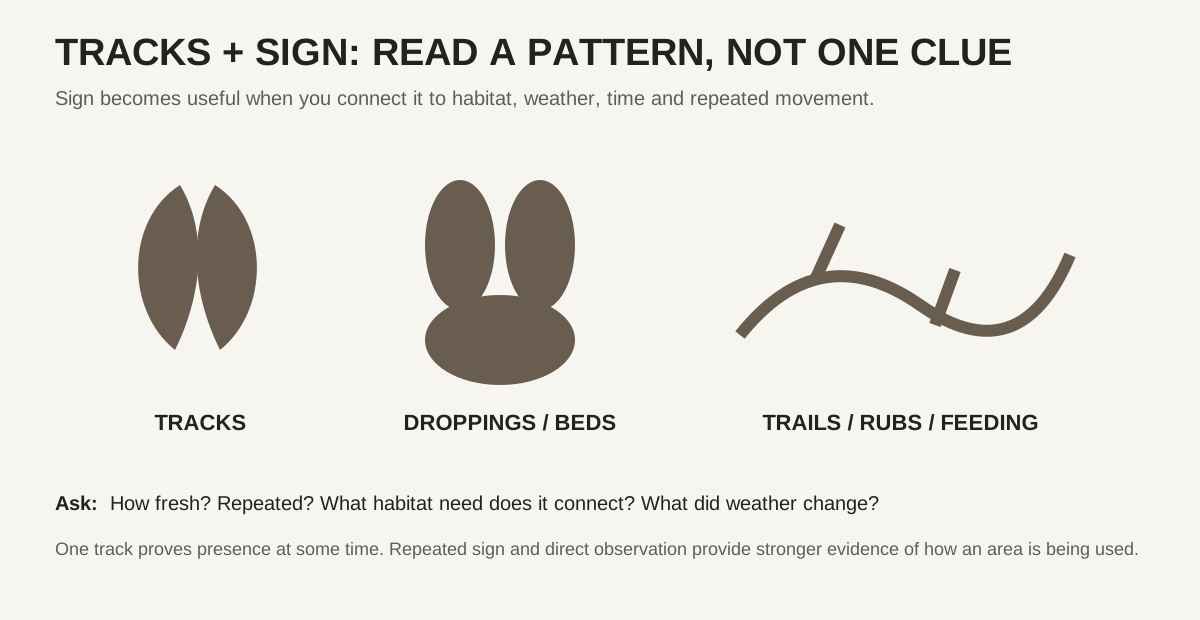
Start with habitat needs
Food, water, cover, security and seasonal movement provide the larger pattern. Ask why an animal would use an area rather than beginning with tracks alone.
Separate fresh sign from old sign
Tracks, droppings, beds, rubs, feeding sign and trails age differently with weather and substrate. Learn to compare sign within the same conditions instead of assigning false precision.
Look for patterns, not souvenirs
One track proves presence at some time. Repeated travel routes, feeding areas and bedding or security cover tell you more about how the landscape is being used.
Use maps before boots
Topography, vegetation, access routes, water and likely pressure can help prioritize scouting. Field observations then correct the assumptions you made from the map.
Account for people
Roads, trails, hunting pressure and private-property boundaries can change animal behavior and your own safe access. Scouting includes understanding the human landscape.
Do not turn scouting into disturbance
Repeatedly entering bedding or security areas can change the behavior you are trying to understand. Observation from a distance can sometimes teach more than walking through every promising patch.
Keep a simple record
Dates, weather, locations and what you actually observed become valuable over seasons. Distinguish direct observation from interpretation so your future self can reassess the pattern.
This site is free — brand partnerships coming soon.
General educational information only. Always follow current local hunting regulations and verify ammunition performance with the manufacturer.