
Pack Out & Transport
The shot creates a logistics problem as well as a recovery responsibility. A realistic pack-out plan considers weight, terrain, temperature, legal transport requirements and the condition of the people carrying it.
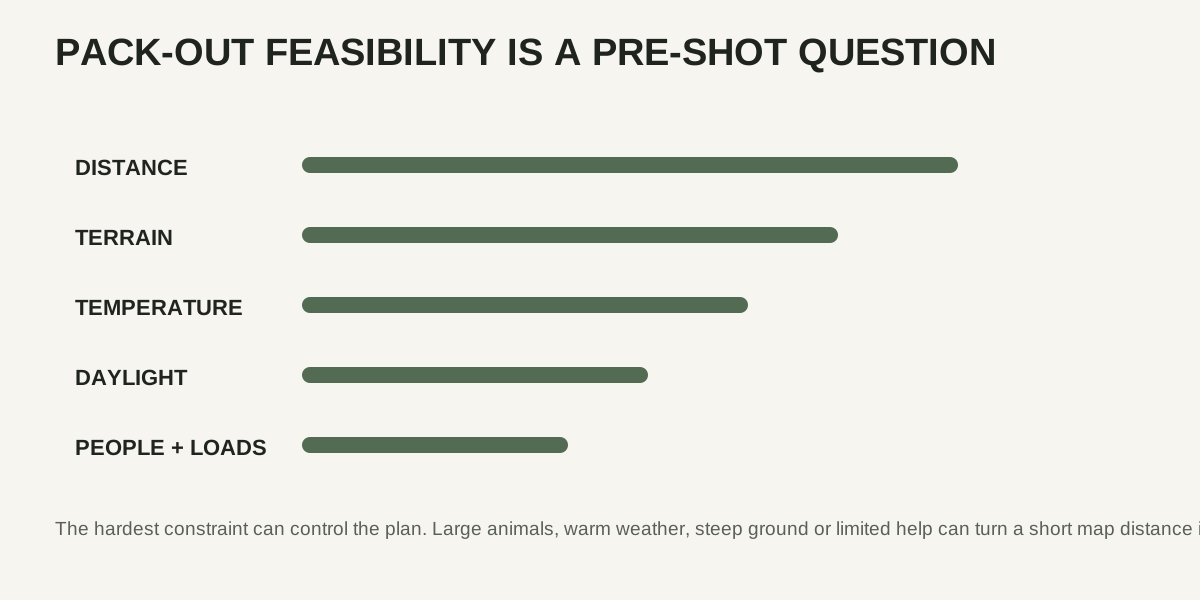
Plan the exit before the shot
Look at slope, water crossings, deadfall, snow, distance and vehicle access before committing. An animal downhill or across a drainage can be far harder to retrieve than the straight-line distance suggests.
Break the job into safe loads
Large animals often require multiple trips. Choose load sizes that preserve footing and judgment rather than turning every trip into a maximum-effort carry.
Protect the meat during movement
Use clean breathable game bags or other appropriate protection, keep meat separated from dirty equipment, and restore airflow when loads come off your back.
Manage time and temperature together
A long pack-out in warm weather may require different priorities than a cold-weather recovery. Know where shade, cooling or refrigeration will be available once you reach transportation.
Transport rules still apply
Tagging, evidence-of-sex, species identification and transport requirements vary. Understand what must accompany the meat or carcass before leaving the kill site.
Vehicles do not automatically solve cooling
An enclosed vehicle can become hot quickly. Arrange meat so heat can continue to escape and move it to appropriate cooling or processing without unnecessary delay.
Know when the plan exceeds you
Fatigue increases falls, navigation mistakes and poor decisions. Ask for help, make another trip or change the plan rather than risking injury or sacrificing the harvest to pride.
This site is free — brand partnerships coming soon.
General educational information only. Always follow current local hunting regulations and verify ammunition performance with the manufacturer.