
Firearm Care, Cleaning & Maintenance
A hunting rifle does not need ritual cleaning; it needs deliberate care. The goal is a safe, dependable system whose condition you understand before you rely on its first shot in the field.
 Open full-size image ↗
Start with the manual and an unloaded firearm
Use the firearm and optic manufacturers’ instructions as the starting point. Before inspection or cleaning, remove the ammunition source, open the action and verify the chamber is empty. Keep ammunition away from the work area and use a stable, well-lit place rather than improvising around a loaded hunting setup.
Inspect before you clean
Cleaning is also an inspection. Look for damage, unusual wear, looseness, obstruction, corrosion and anything that changed during the last hunt or trip. Check the bore and chamber as appropriate, the action and accessible surfaces, sling attachment points, stock or chassis, and the optic and mounts. A rifle that has been dropped or struck deserves more than a quick wipe.
Know the parts you are caring for
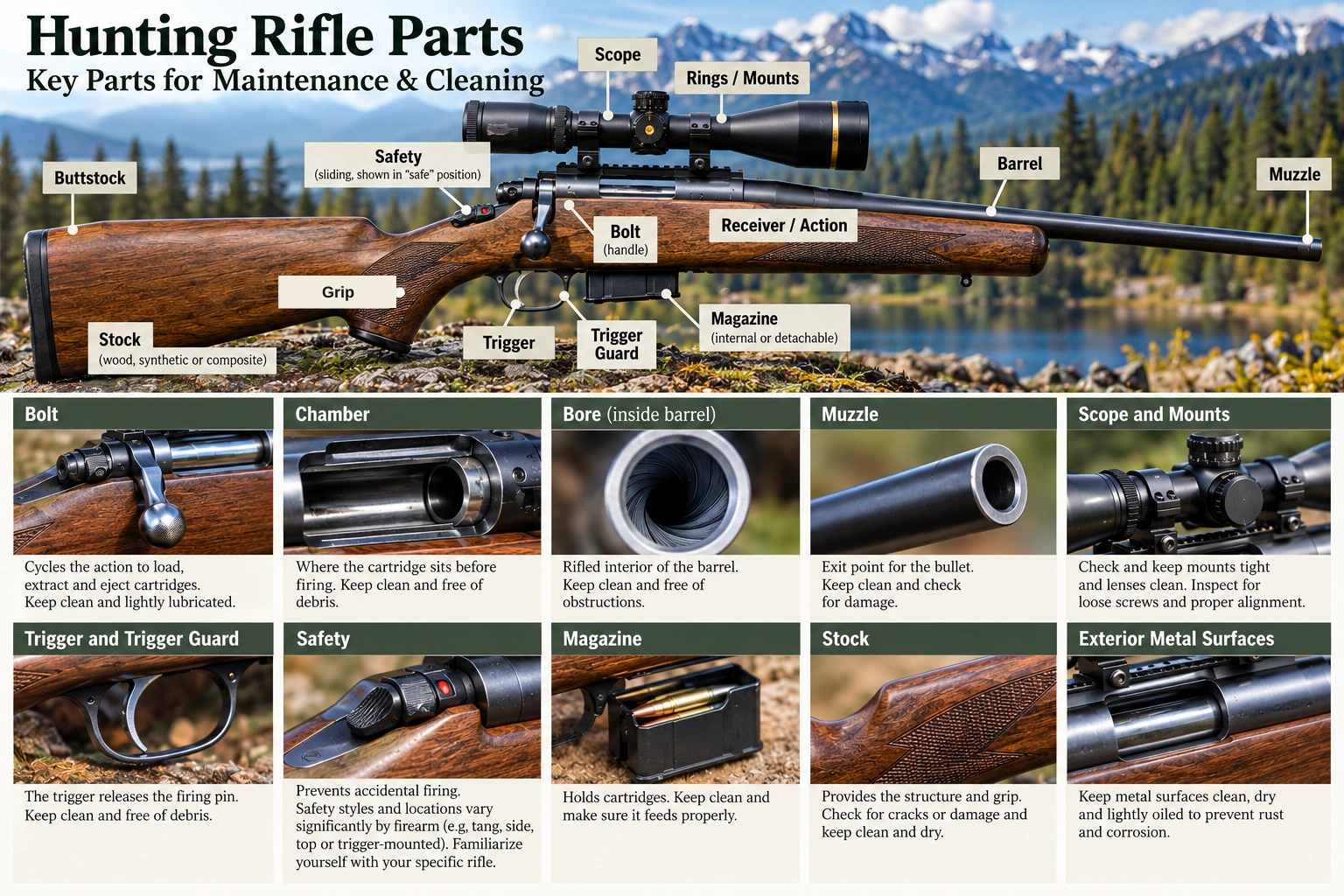
Learn the names for the rifle’s muzzle, barrel, bore, chamber, receiver, action, bolt, safety, trigger, magazine, stock, scope and mounts. The bore is the inside of the barrel; the chamber is the rear portion that accepts a cartridge; the receiver houses major working parts.
Common firearm actions
 Open full-size diagram ↗
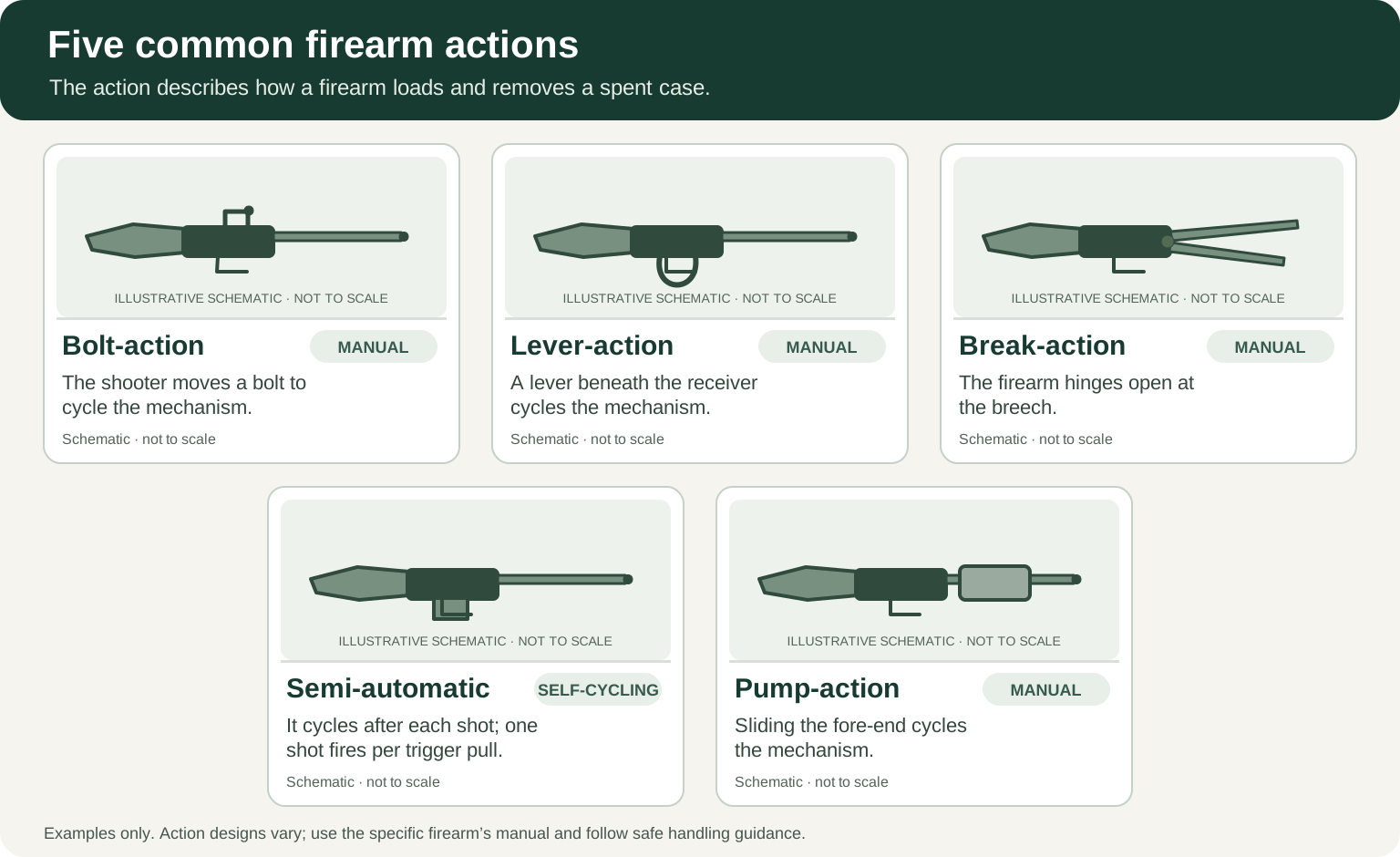
The action is the mechanism that loads a cartridge, fires it and removes the spent case. A bolt-action is cycled by manually moving a bolt; a lever-action uses a lever; a break-action hinges open at the breech; a semi-automatic action cycles after firing but fires one shot per trigger pull; and a pump-action is cycled by sliding the fore-end. These are common examples, not a complete list, and models differ. Action type does not identify the correct cartridge—use the firearm’s markings and manual, and learn that model’s safe handling procedure.
Bore and chamber care should have a reason
Follow the manufacturer’s method and use tools intended for the firearm. The objective is to remove fouling or contamination when it is affecting condition or reliability—not to scrub mechanically after every few shots simply because cleaning feels productive. Protect the crown and other critical surfaces from careless rods or tools, and do not leave excess solvent or oil where it does not belong.
Action, exterior and optic care
Dirt, plant debris, dust and moisture can collect around the action and exterior surfaces during ordinary hunting. Clean accessible areas without forcing debris deeper into the mechanism. Wipe and protect exposed metal as the manufacturer recommends. Treat lenses with appropriate lens-cleaning methods rather than a dirty sleeve, and inspect rings, bases and visible mounting hardware for signs of movement.
Lubrication: enough, not everywhere
More lubricant is not automatically better. Excess oil can attract debris, migrate into places where it is undesirable and behave differently in severe cold. Use the type, amount and locations specified by the manufacturer, paying particular attention to the conditions in which the rifle will actually be used.
Rain, snow, mud and coastal moisture change the schedule
A wet hunt can justify attention immediately even when the rifle was recently cleaned. Remove surface moisture, deal with snow or mud before it becomes an obstruction, and dry the rifle appropriately. Salt-laden coastal air and repeated damp conditions deserve extra corrosion awareness. Never assume a case is a good long-term drying cabinet.
Condensation can wet a rifle you never dropped in water
Moving a very cold firearm into warm humid air can produce condensation on and sometimes within the system. Give the rifle an opportunity to dry safely and inspect it rather than putting a damp firearm directly into enclosed storage.
Storage is part of maintenance
Store firearms securely and in accordance with applicable requirements, in conditions that limit corrosion and physical damage. Long-term storage deserves periodic inspection. A soft case that is useful for transport can retain moisture and is not automatically the right storage environment.
Know when maintenance becomes repair
Stop and seek a qualified gunsmith or manufacturer support when you find damage, persistent function problems, a suspected bore obstruction you cannot safely resolve, abnormal pressure signs, damaged parts, or a condition outside normal user maintenance. Disassembly beyond the manufacturer’s intended user level can create rather than solve problems.
Maintenance and zero are connected
Routine cleaning does not necessarily mean a rifle has lost zero, but removing or disturbing optics, changing mounts, a hard impact, unexplained accuracy change, significant repair or other meaningful changes are reasons to confirm the system at the range. Do not discover a shifted point of impact on an animal.
Keep a simple condition record
You do not need an elaborate log. Recording the hunting load, approximate round count, cleaning or maintenance date, unusual weather exposure, impacts or repairs, and the last confirmed zero can turn vague memory into useful evidence.
The standard is confidence, not cosmetic perfection
A hunting rifle can show honest field use and still be well cared for. The responsible question is whether it is safe, functional, protected from preventable deterioration and still produces the repeatable first-shot performance you are relying on. Care supports judgment; it does not replace range confirmation.
This site is free — brand partnerships coming soon.
General educational information only. Always follow current local hunting regulations and verify ammunition performance with the manufacturer.